
What We Heard at the Second Annual Construction Intelligence Summit
Contractors and CPAs spent a day in Indianapolis working through what AI actually does in construction finance right now, and what has to be true about your books first.
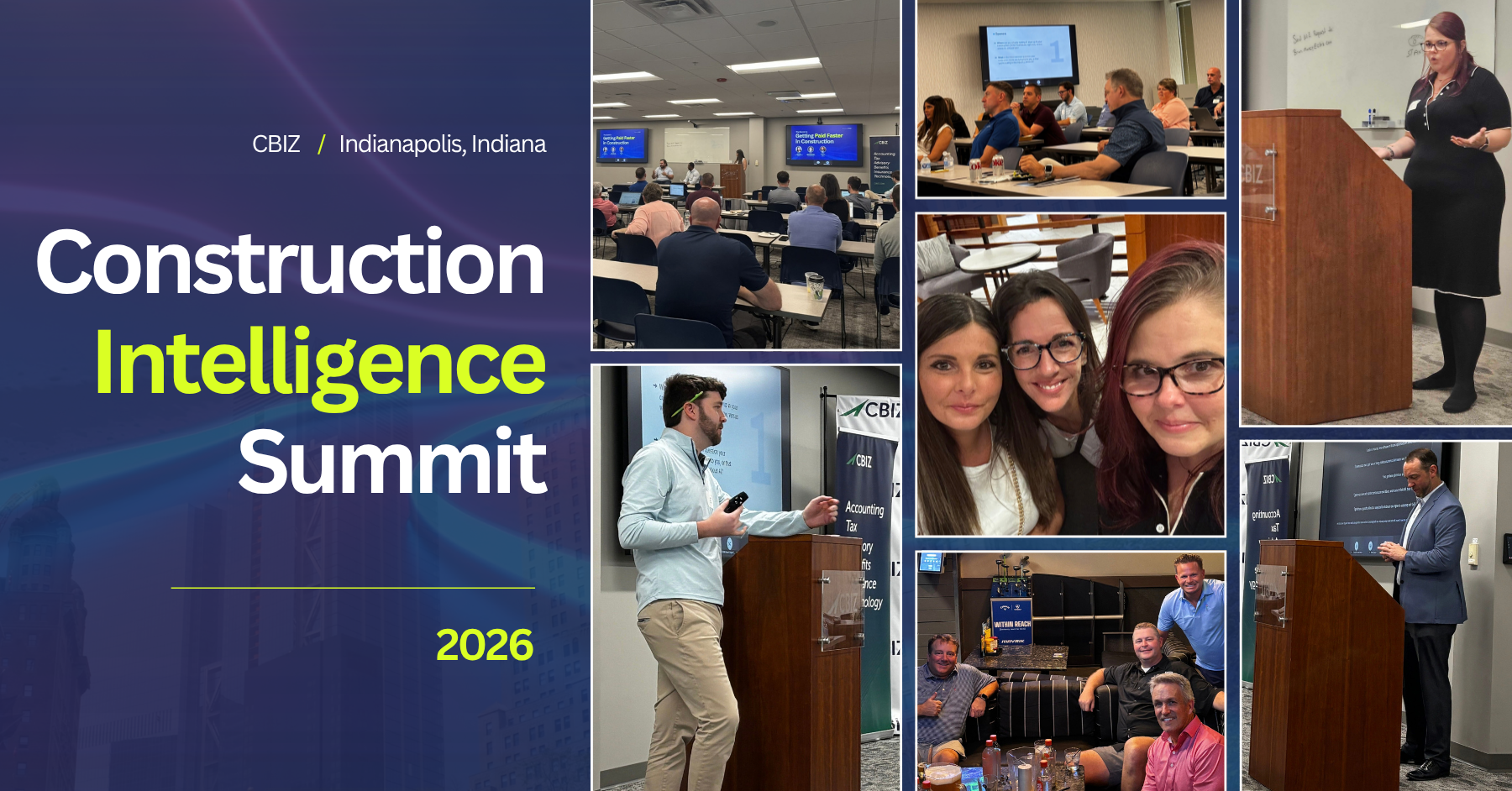
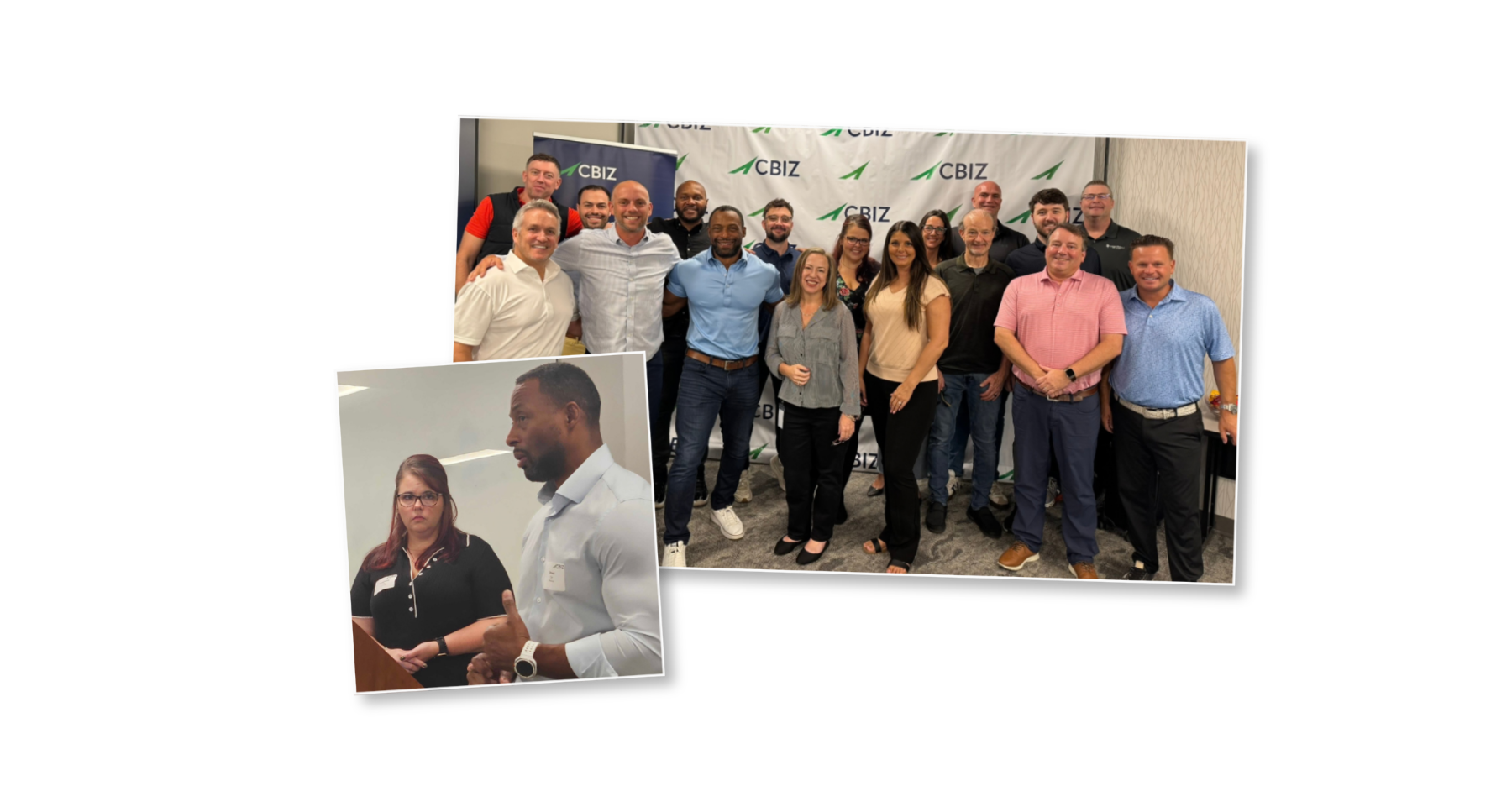
On September 16th, ProNovos hosted the second annual Construction Intelligence Summit at the CBIZ office in Indianapolis. Our thanks go to the CBIZ Indianapolis team for hosting us this year and for opening their space to a room full of contractors, CPAs, and partners who don't often end up in the same place.
Our goal is to unite the construction ecosystem by bringing together contractors, CPAs, and technology and capital partners, each offering a unique perspective on what is happening in construction.
What changed between last year and this year was the subject matter. Last year's conversations were about fundamentals: consistent job costing, monthly reconciliation, involving your CPA earlier. This year those same fundamentals came up constantly, but for a different reason. They're now the price of admission for everything else.
Every session carried CPE credit, and attendees left with credits across Finance, Information Technology, Specialized Knowledge, Business Management, and Personnel/HR.
The day's thread: it all runs on data
If one idea kept resurfacing, it was this: the technology conversation in construction has moved past "should we" and landed squarely on "can our data support it." Nearly every session touched it from a different direction.
The morning opened with The Secret to Getting Paid Faster in Construction, moderated by Pam Lake, Sales Operations Manager at ProNovos, with Michael Marshall of Viva Capital and ProNovos CEO Bruce Orr. The premise was uncomfortable and effective: most subcontractors treat pay-when-paid as a fixed cost of doing business and quietly price 60, 90, or 120 days of line-of-credit interest into every bid. It's a tax nobody itemizes. The panel made the case for a more proactive posture, including spot factoring on individual progress invoices, which works differently than the all-or-nothing factoring arrangements most subs have already decided they don't want.
Transforming Construction Finance with AI-First Intelligence, presented by ProNovos’ Kevin Bright, Director of Product, and Denver Sperry, Sales Engineer, was one of the day's most talked-about sessions. They distinguished platforms built AI-first and platforms that add an AI feature to an existing system. They explained why that architectural difference shows up in reliability, audit trails, and reconciliation once you're past the demo. That framing also spoke to a decision more finance leaders are facing right now: build something custom in-house, or buy something already built for the job.
The room did most of the talking
What Your CPA Wishes You Knew About Technology and AI, led by ProNovos Marketing Manager John O'Bryan, was structured as an open-room roundtable rather than a panel. CPA partners were seated in the crowd, not at a table up front, and the format worked. Participation was strong across the board, with a lot of voices in the mix, not just the prepared ones.
The consensus that emerged was more sobering than the hype cycle would suggest. AI is genuinely useful in construction finance right now, and it lands first in the back office: AP, invoice handling, cash application, reporting. The repetitive, data-heavy work. But its usefulness depends on what's underneath it. A confident answer built on incomplete or miscoded data is worse than no answer, because it gets acted on. The fix for that is unglamorous and familiar: timely closes, clean job-cost coding, and systems that actually reconcile to each other.
Which is to say, the advice from Atlanta didn't get replaced this year. It just got a lot more expensive to ignore.
The other point the room landed on: AI accelerates; it doesn't decide. It speeds up analysis of what you already captured. A human still owns the judgment. There were a lot of AI questions throughout the day, and this session absorbed most of the ones that had been building since the morning.
Risk, and the people who signal it
The Conversations Your Company Is Already Having, from OrgIQ CEO and co-founder Greg Fulk, made the case that human problems become financial problems, and that they show up in email and Teams long before they show up in a report. A superintendent venting about scope creep, a subcontractor whose tone shifts from collaborative to defensive. Greg was direct about the fact that workplace monitoring has an earned reputation problem, and spent as much time on governance, privacy, and framing as on the technology itself.
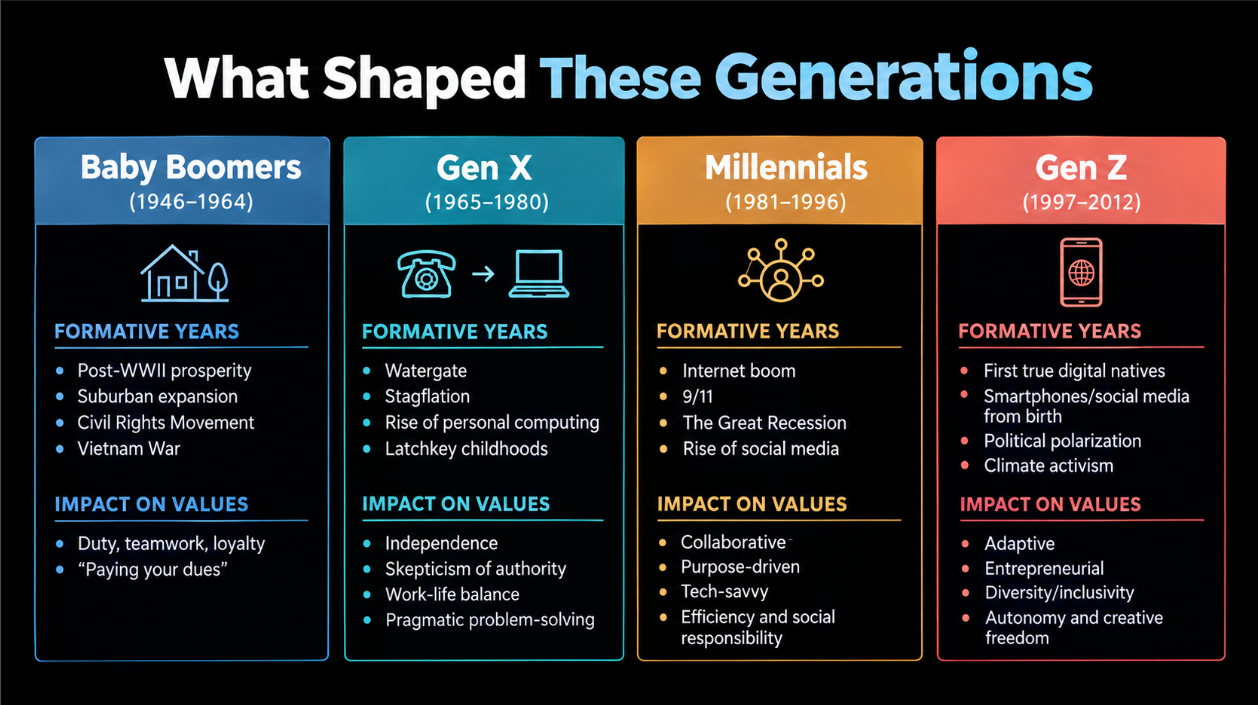
Four Generations, One Jobsite, from ProNovos COO Samantha Lake, was one of the day's standouts. Most construction teams now run four generations deep, Baby Boomers, Gen X, Millennials, and Gen Z, each shaped by a different set of formative events, communication habits, and expectations of work. This session made the case that what gets written off as resistance, entitlement, or disengagement is usually none of those things. It's a different operating system for how someone was wired to work, and once you can name that, it stops feeling personal.
The room got the reaction this session is known for: attendees understood why they have friction with coworkers, friends, and family of different generations. The back half of the session got practical, covering how to communicate in a way that actually lands with each generation, how generations diverge most sharply when a company is navigating change, where technology helps close the gap (and where it doesn't), and how to build mentorship and knowledge-sharing structures that turn generational differences into an advantage instead of a source of tension.
The day closed with AI in Construction: Practical Impact and the Path to Transformation from Rob McGillen, VP and AI Practice Leader at CBIZ, who laid out an implementation approach that fit the day's tone: start with a defined operating problem, pick a small number of high-value opportunities, set measurable outcomes and accountable owners, and scale only after value is proven. Then he proved the point instead of just making it. In Samantha's session on generational differences, Rob took what she was presenting as his defined operating problem and built an application framework around it from scratch, then pulled it up at the end of his own session to show the room. It landed harder than any slide could have, and it quietly made his argument for him: the constraint on building something useful is no longer the building; it's knowing which problem is worth solving.
And then there was Top Golf
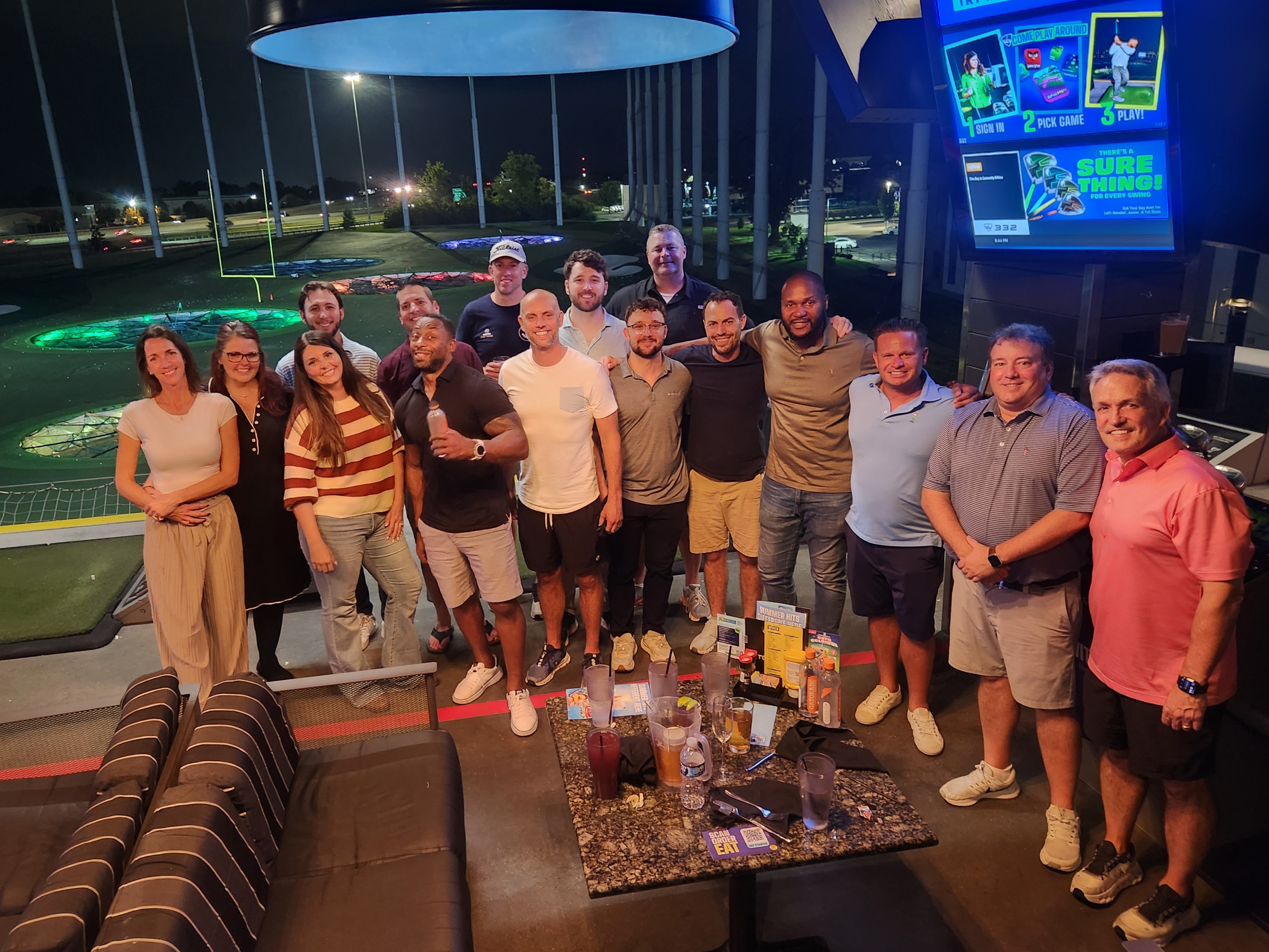
The formal agenda ended at five. The evening event at Top Golf ran until 8:30 and, by most accounts, was where the best conversations happened. Several people said afterward that getting contractors and CPAs in the same bay for three hours was worth the trip alone. Last year it was a Braves game in Atlanta. The venue changes; the part where the real conversations happen after the agenda ends does not.
Next year
We're already planning the third annual Construction Intelligence Summit. We're still finalizing the dates and location; if you'd like to be notified when registration opens, subscribe to our newsletter
In the meantime, two things worth a look. Several of the CPA firms in the room are ProNovos partners, and if you're a contractor looking for an accountant who already speaks construction, you can browse our CPA directory here. And if this recap left you curious about the platform itself, you can start a free trial.
And if it left you wishing you'd been in the room, that's fair. It's a hard day to summarize, which is the best argument we can make for attending the next one.