
Over/Underbillings in Construction: A Practical Guide to Calculating and Managing Them
Understanding over/underbillings can significantly influence the financial health and cash flow of a construction project.
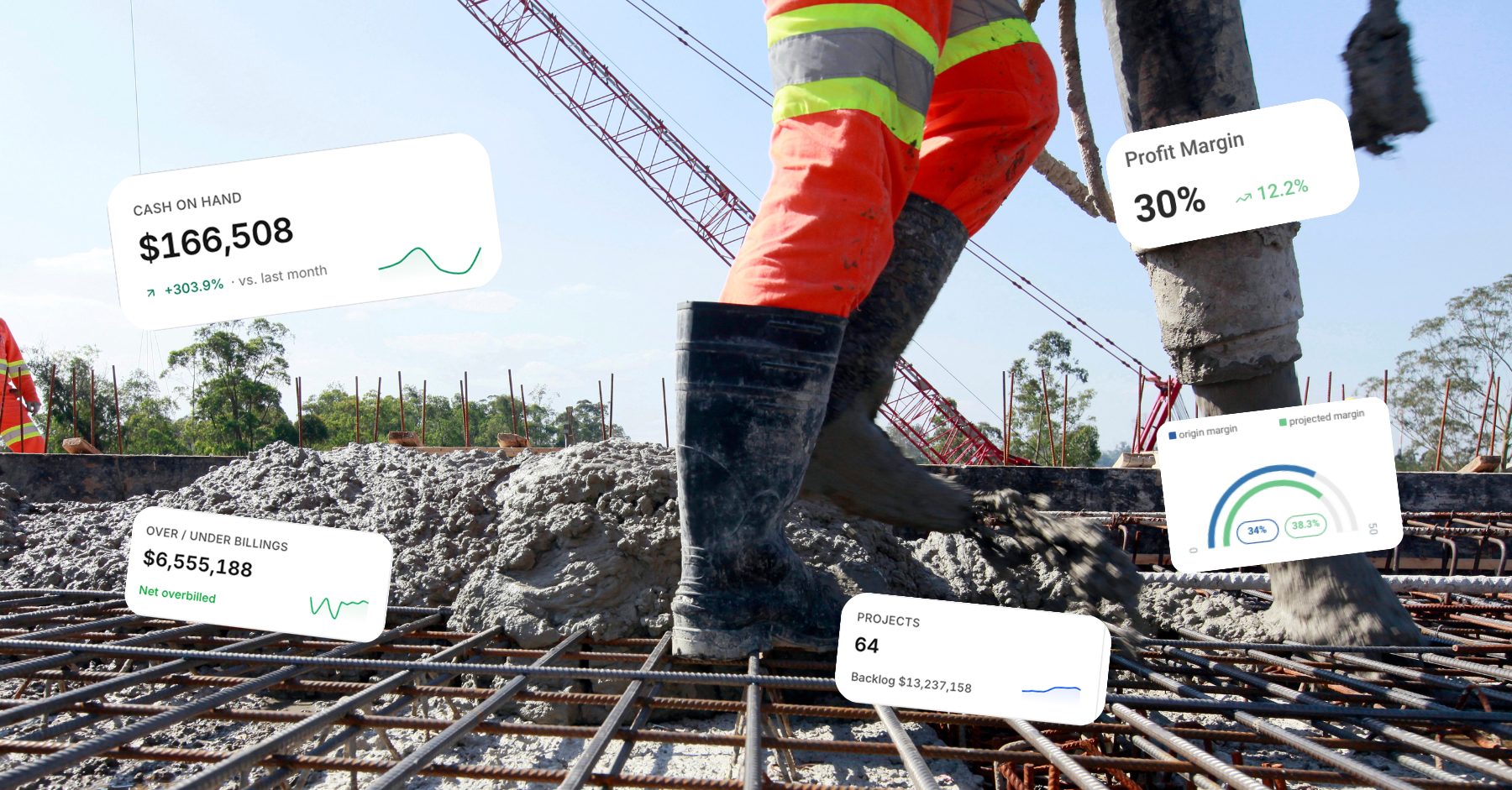
One of the most challenging concepts in the world of construction finance to comprehend is over/underbillings. It’s a crucial aspect of how revenue recognition works in the industry and a key metric that should be included in every contractor’s WIP report, as it directly impacts the balance sheet. Understanding over/underbillings can significantly influence the financial health and cash flow of a construction project, helping contractors manage their profitability and maintain accurate financial statements.
Unraveling the Revenue Recognition Process
In the construction industry, revenue recognition happens on a percentage complete basis. Simply put, the percentage of the project completed corresponds to the percentage of the total contract recognized as revenue. For instance, if a project is 40% complete, then the revenue stands at 40% of the total contract amount.
It’s important to note that while the revenue may closely mirror your percentage billed on the project, these two are completely independent metrics. They can often diverge, resulting in over or underbilling situations.
A Practical Illustration of Over/Underbillings
Let’s consider an example. Imagine a $1,000,000 construction contract, of which you have completed 40%. Therefore, your revenue equates to $400,000. However, suppose you have billed 50% of the contract, amounting to $500,000. In this scenario, the billed amount ($500,000) minus the revenue ($400,000) equals $100,000. This difference indicates an overbilling scenario.
Overbilling means the billed amount surpasses the revenue – a positive difference when subtracting the revenue from the billed amount. In contrast, underbilling occurs when the billed amount is less than the revenue, indicating a negative difference.