A Brief History of Construction Retainage
Retainage is far from a modern invention. The practice originated in the United Kingdom in the 1840s, when railway companies began withholding as much as 20% of contractor payments to ensure project completion and protect against poor workmanship during the rapid expansion of the British rail network.
Over the following century and a half, the practice spread globally and the standard withholding rate dropped — today’s contracts typically hold back 5%–10%. However, the underlying tension remains: retainage protects owners and developers, but it creates a real and recurring financial burden for the contractors doing the work.
The financial strain has become significant enough to fuel an international initiative to achieve zero retainage by 2025, particularly in the UK, where industry groups have pushed hard for reform. In the United States, most states have retainage statutes that cap the maximum percentage and set release timelines — but compliance and enforcement vary widely.
Why Construction Retainage Is a Cash Flow Problem
In construction, cash flow is the lifeblood of the business. Retainage complicates that cash flow in three critical ways:
1. Capital Is Tied Up for Months or Years
On a large project, retainage can represent hundreds of thousands of dollars sitting in an owner’s account instead of yours. For subcontractors working on multi-year projects, that capital may not be released until well after the work is complete — creating a persistent gap between labor and material costs paid out and revenue received.
2. Disputes Can Delay Release Indefinitely
Retainage is only released when the work is deemed complete and satisfactory. If there’s a dispute over punch list items, workmanship, or project closeout, the withheld funds can be tied up for months beyond project completion. Without solid documentation and proactive communication, contractors often have no leverage to accelerate release.
3. The Downstream Impact on Suppliers
Material suppliers are often the last to be paid when retainage is involved. Because subcontractor payments may be tied to the release of retainage from the GC, suppliers absorb the wait, straining trade relationships and, in some cases, limiting access to materials for future projects.
Why Every Project Manager Needs to Understand Retainage
Financial Planning and Forecasting
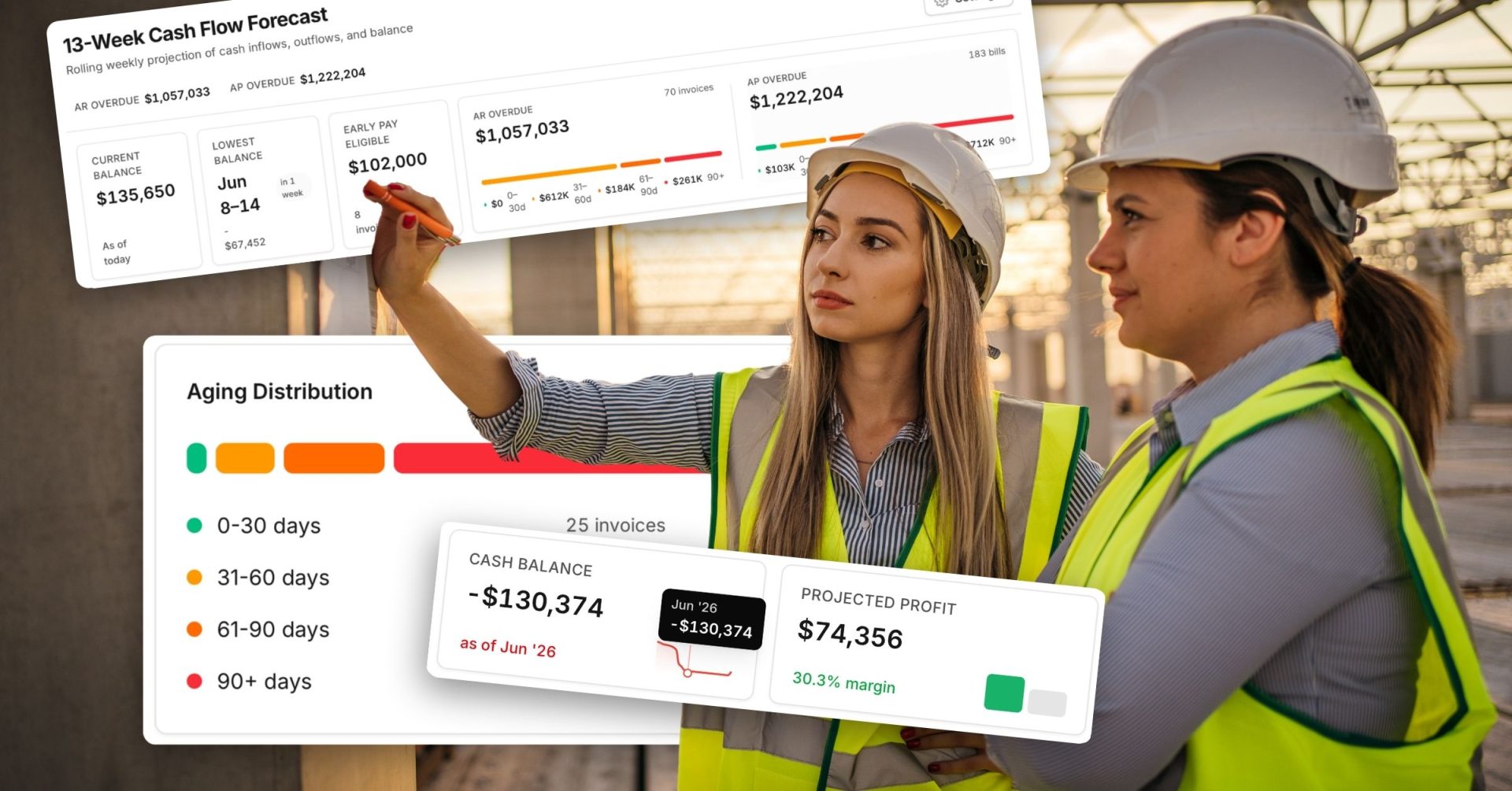
Retainage affects when money arrives, not just how much. Project managers who understand retainage schedules can build more accurate cash flow forecasts, anticipate funding gaps, and avoid scrambling for short-term capital at the worst moments.
Setting Clear Expectations Downstream
When GCs pass retainage down to subs, those subcontractors need to plan accordingly. Transparent communication about retainage terms, including the release timeline and conditions, reduces the risk of downstream disputes and helps maintain strong trade relationships.
Navigating Contract Compliance
Retainage terms vary by contract and by state law. Some states cap retainage at 5% on public projects; others allow up to 10% on private work. Understanding the contractual and legal framework governing retainage on each project is essential to ensuring timely release and avoiding costly disputes.
Best Practices for Managing Construction Retainage
Negotiate Terms Before You Sign
Retainage percentages and release conditions are often negotiable, especially on private projects. Consider pushing for a reduced retainage rate (e.g., 5% instead of 10%), a retainage reduction clause at 50% project completion, or retainage substitution via a letter of credit or surety bond. Getting favorable terms upfront is far easier than disputing them at closeout.
Document Everything, Always
Thorough documentation is your best defense and your fastest path to retainage release. Maintain detailed records of project milestones, inspection reports, quality sign-offs, and punch list completions. When it’s time to request retainage release, you want a paper trail that leaves no room for dispute.
Communicate Proactively with Owners and GCs
Don’t wait until project closeout to start the retainage conversation. Regular check-ins on the status of withheld funds, particularly as you approach substantial completion, keep the process moving and demonstrate professionalism. Owners who feel informed are more likely to release funds promptly.
Build Retainage Into Your Cash Flow Forecast
Every cash flow projection should account for retainage as a separate line item — not just total billings. Model out when you expect retainage to be released and what your cash position looks like if that release is delayed by 30, 60, or 90 days. This kind of scenario planning separates contractors who manage cash flow from those who are managed by it.
Consider Short-Term Funding to Bridge the Gap
When retainage creates a cash flow gap, especially for subcontractors waiting on GC approvals, short-term invoice funding can provide immediate liquidity without taking on long-term debt. ProNovos QuickPay Direct is a spot factoring solution designed specifically for construction businesses, letting you convert unpaid invoices into working capital fast, no long-term contracts required.






 John O’Bryan