The compounding problem: underbilling makes it worse
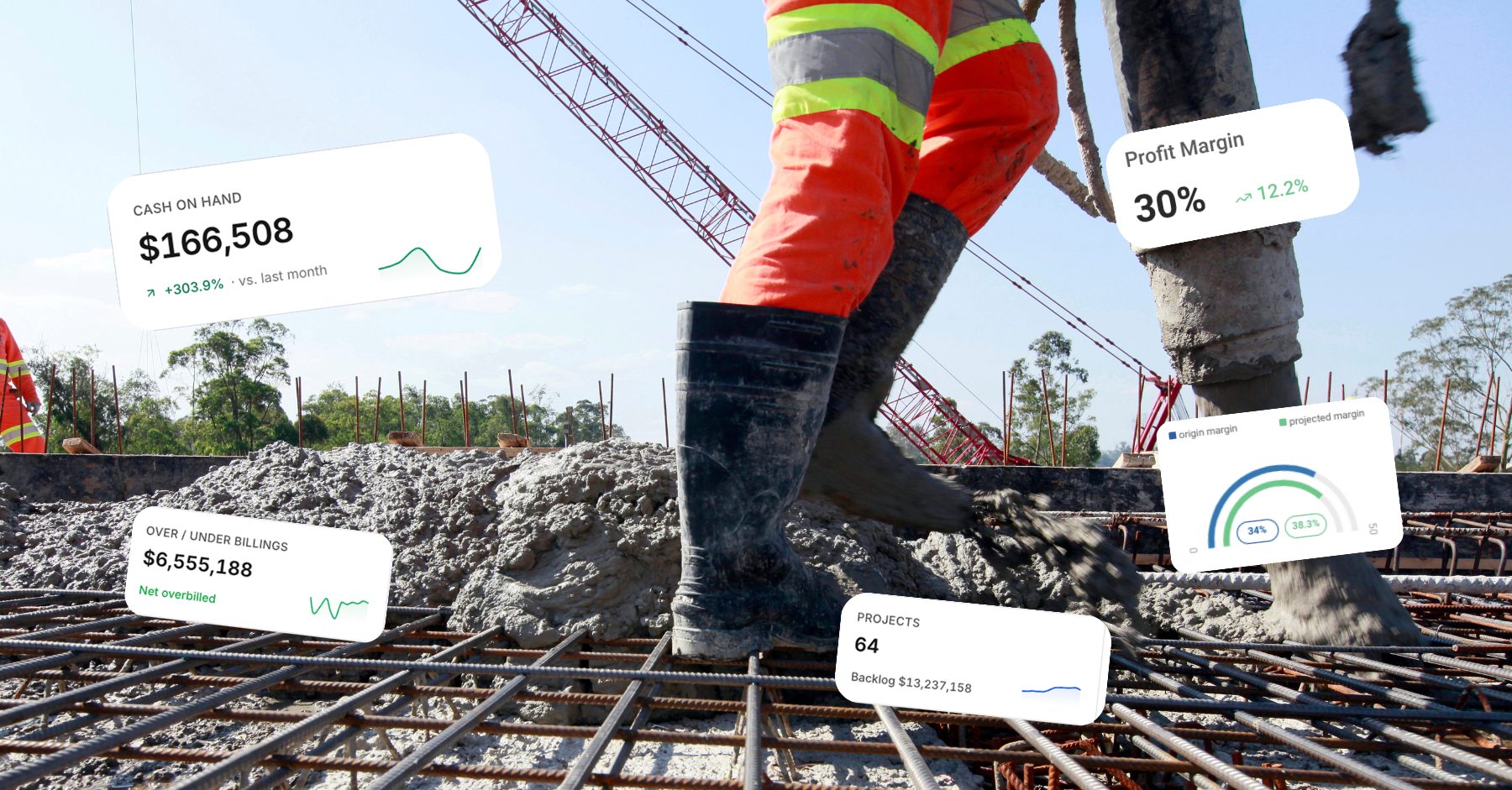
There is another layer worth naming directly. When a specialty contractor bills behind what has been earned, the contractor is effectively financing the project on behalf of the owner. The work is done, the costs are incurred, but the invoice has not caught up to the actual percentage complete.
Overbilling within ethical limits, front-loading the schedule of values where appropriate, and staying current on billings are all tools that keep cash moving in the right direction. Contractors who manage cash flow well are not just faster at collecting. They are more strategic about when and how they bill.
What you can control right now
Before any technology or financing solution enters the picture, there are several operational moves that directly impact construction cash flow.
Invoice on time, every cycle. Submit pay apps on the same date each month, tied to a fixed cutoff. Consistency reduces the informal delays that GCs use to push payment out and signals that your billing process is organized.
Follow up consistently. An aging invoice does not pay itself. A simple cadence, a check-in at 15 days and again at 30, makes slow payment visible before it becomes a problem.
Negotiate retainage before signing. Most GCs default to 10% retainage. Many will accept 5% if asked before the contract is signed. If the scope completes before the overall project does, push for a retainage reduction clause at the 50% milestone. That conversation costs nothing. The upside can be significant depending on contract size.
Track which clients and projects pay on schedule. Not all GCs are equal. Knowing average days-to-pay by client before being 60 days into a project waiting on a check changes how resources get planned and what work makes sense to take on.
You cannot fix what you cannot see
The contractors who manage cash flow most effectively share one trait: they know what is coming before it arrives.
That means knowing which invoices are aging and at risk of sliding, which GCs consistently pay late, and which upcoming billing cycles are likely to create a cash gap. Not after the gap opens, but weeks ahead of it.
ProNovos tracks average days-to-pay by client and project so patterns become visible over time. An invoice aging for 53 days with a projected payment date that has already passed is not just a collections problem. It is a cash flow forecast input. When that data is available across all active projects simultaneously, the picture of actual cash position becomes something you can act on rather than react to.
When visibility is not enough: accelerate the right payments
Even with clean billing practices and full visibility into payment timing, there are moments when the gap between work performed and cash collected creates real pressure. Payroll lands whether or not the GC has cut a check.





 John O’Bryan