
Inside Construction Project Cash Flow: Inflows, Outflows, and Timing
In Part 1, we established a core reality of construction finance: cash flow is won or lost at the project level. Each project operates as its own business, with its own billing cycle, payment risks
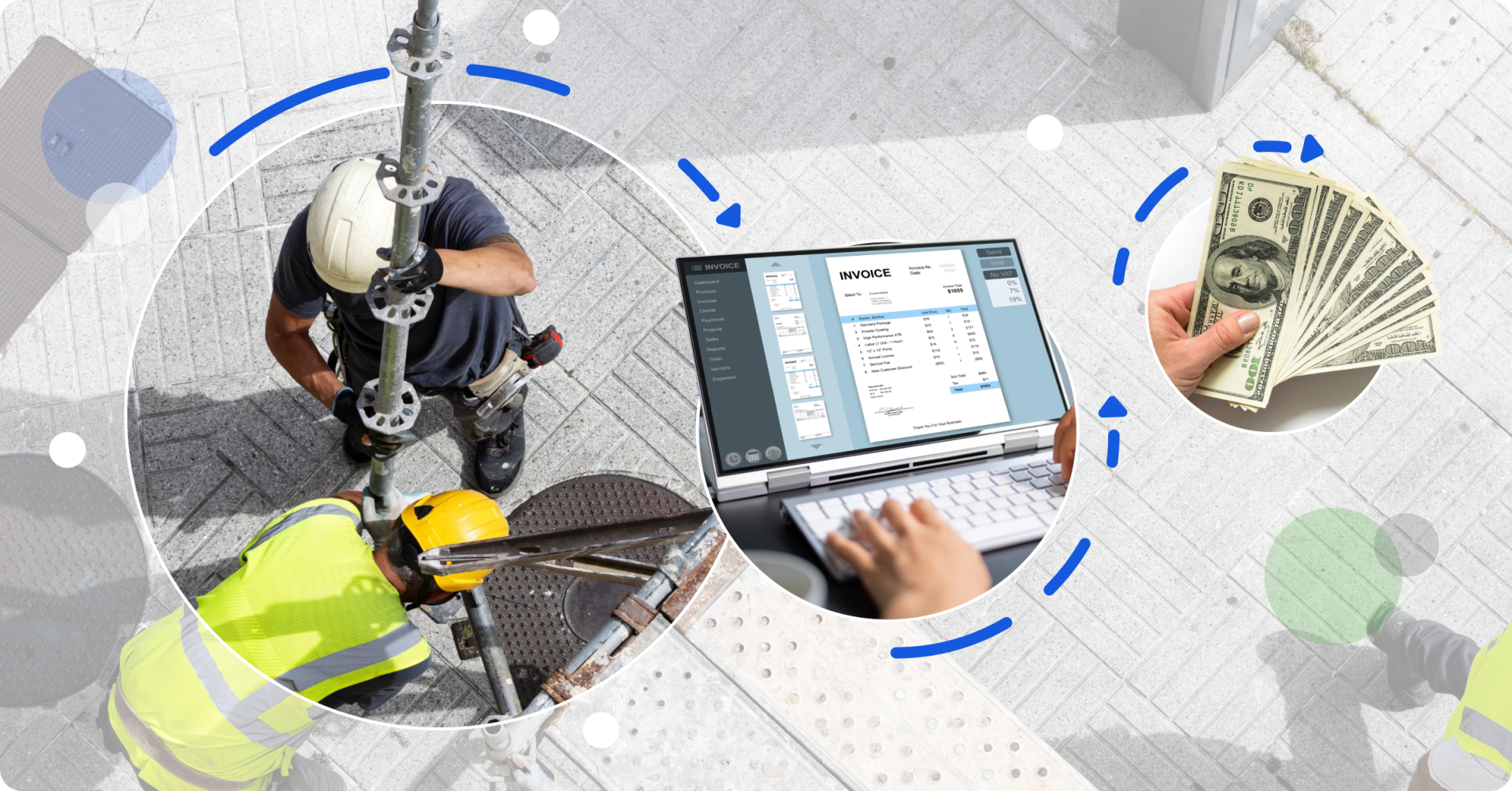
In Part 1, we established a core reality of construction finance: cash flow is won or lost at the project level. Each project operates as its own business, with its own billing cycle, payment risks, and financial constraints.
Part 2 focuses on how cash actually moves through a project. For executives, understanding this movement is critical to predicting financial performance. For project managers and construction managers, it reveals why decisions made during execution directly affect company-wide cash flow.
In construction, the challenge is not simply profitability. The challenge is timing.
 John O'Bryan
Marketing Manager
Project-Level Cash Inflows: Timing Matters More Than Totals
Cash inflows in construction are rarely immediate. Even when work is performed correctly and billed on time, the process from completion to payment introduces delays and uncertainty.
What matters most to leadership isn't what has been earned — it's when those earnings actually convert into cash.
Accounts Receivable Is a Timing Issue
At the project level, accounts receivable is often viewed as a balance sheet item. From a financial management perspective, it is more accurately understood as a timeline.
Leadership needs visibility into:
What has been billed
What has been approved
What is still under review or disputed
When payment is realistically expected based on historical behavior
Delays in documentation, incomplete pay applications, or slow approvals extend the gap between work performed and cash received. By the time aging receivables appear as a financial concern, the operational cause has already occurred at the project level.
Billing Forecasts Are Cash Forecasts
Billing forecasts are frequently treated as revenue projections. In practice, they are forecasts of future cash inflows.
Remaining contract value must align with:
Actual production progress
Achievable billing milestones
Realistic approval timelines
When billing forecasts are overly optimistic or disconnected from project progress, executives lose visibility into when cash will arrive. Accurate billing forecasts enable leadership to plan staffing, backlog growth, and working capital needs.
Retention Delays Access to Earned Revenue
Retention is another structural feature that complicates construction cash flow. A portion of earned revenue is withheld until the project's completion and closeout requirements are satisfied.
While retention appears as earned revenue on paper, it often remains inaccessible for months after substantial completion. Delays in closeout documentation or punch list completion extend the time before retention is released.
Managing retention effectively requires project teams to track closeout requirements early and understand how much cash remains tied up until final payment.
Related Reading
Understanding Revenue Recognition in Construction
Revenue recognition directly affects how cash flow is reported and forecasted. Learn how construction firms account for earned revenue across long-term contracts.
Project-Level Cash Outflows: Predictable and Immediate
If inflows are uncertain and delayed, outflows are typically predictable and immediate. Payroll, vendor payments, and subcontractor commitments occur on a defined schedule, regardless of billing progress or owner payment timing.
This imbalance between delayed inflows and predictable outflows creates the working capital pressure that construction executives manage daily.
Accounts Payable Represents Committed Cash
Once work is authorized or materials are ordered, the cash obligation exists. Accounts payable reflect commitments already made at the project level.
Executives need clear visibility into:
What has already been invoiced
What commitments are pending
When payments can be expected
Without this clarity, working capital can erode quickly across multiple projects.
Labor and Payroll Create Immediate Cash Pressure
Labor is one of the least flexible cash outflows in construction. Payroll typically occurs weekly or biweekly, regardless of billing progress.
Labor overruns, overtime, or productivity issues affect cash immediately. These costs do not wait for the next pay application cycle to resolve. For this reason, labor management is not just an operational concern. It is a cash flow concern.
Materials, Subcontractors, and Equipment Follow Their Own Timelines
Material purchases, subcontractor payments, and equipment costs follow their own schedules, often independent of the owner's payment release schedule.
Payment terms such as net 30 or paid-when-paid clauses may provide some flexibility, but they do not eliminate the underlying cash exposure. Project teams must understand when these costs will be paid and how those payment timelines align with anticipated inflows.
When commitments outpace collections, even profitable projects can operate cash negative for extended periods.
Why the Timing Gap Matters
"Executives do not manage cash flow solely by looking at margin. They manage it by understanding the timing gap between when cash leaves the business and when it returns."
Project-level financial visibility enables leadership to anticipate pressure before it appears in the company's financials. When project teams understand both inflows and outflows, they become the first line of defense in maintaining healthy construction cash flow.
Looking Ahead
Understanding how cash moves through a project is the first step toward improving predictability. In the next part of this series, we will examine how stronger forecasting discipline, billing practices, and operational visibility help executives and project teams manage construction cash flow more proactively.
Ready to close the timing gap on your projects?
Cash flow problems don't start in the financials — they start at the project level. Our team helps construction executives build the visibility they need to anticipate pressure before it becomes a crisis.